

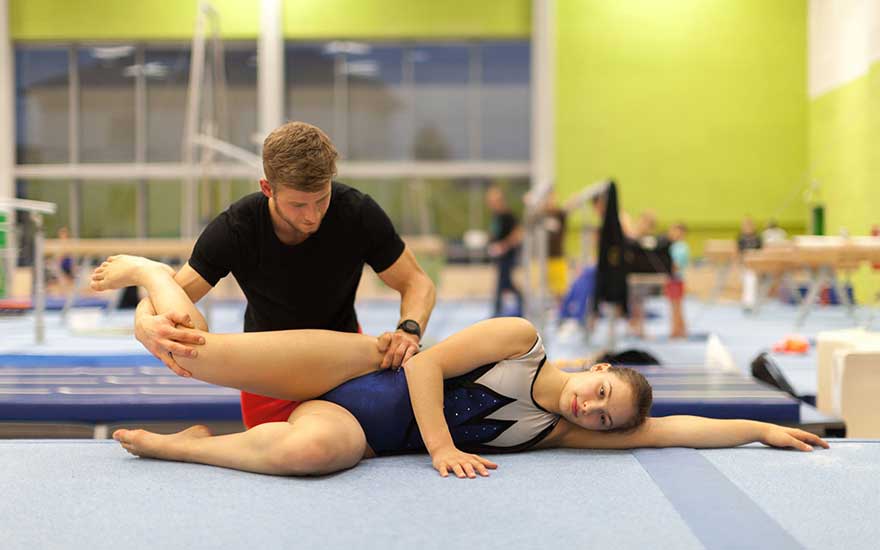
Physical therapy is an essential part of recovery for people dealing with injuries, surgery, or chronic pain. However, not all rehabilitation programs are the same. The area of sports physical therapy is very specific and focuses on the needs of athletes and people who are active. The goal of general rehabilitation is to get people back to doing everyday things. Sports physical therapy goes further by helping people get back to safe and effective sporting performance. People can choose the best type of care for their recovery if they know the differences between these two methods.
Focus on Athletic Performance and Movement
One of the biggest differences between sports physical therapy and general rehabilitation is the focus on athletic movement and performance. General rehabilitation typically helps individuals regain the ability to perform daily activities such as walking, standing, or lifting basic objects. It’s meant to help people get back to their normal lives by restoring their movement and easing their pain.
Sports physical therapy, on the other hand, focuses on restoring the complex movements required in sports and physical activities. Athletes often perform high-intensity actions such as jumping, sprinting, pivoting, or sudden directional changes. Sports therapy programs are specifically designed to rebuild the strength, balance, flexibility, and coordination needed for these advanced movements. A sports physician often works closely with physical therapists to ensure that treatment plans support both healing and athletic performance.
Specialized Knowledge of Sports Injuries
Sports injuries can be different from typical injuries treated in general rehabilitation programs. Athletes frequently experience conditions such as ligament tears, tendon strains, overuse injuries, and muscle imbalances caused by repetitive movement. These injuries require targeted treatment strategies.
Physical therapists who work with athletes are specially trained to find and treat injuries that happen during physical activity. They know how certain moves in sports can put stress on certain muscles and joints. With this information, they can make therapy plans that get to the bottom of the damage and stop it from happening again.
Working alongside a sports physician, therapists can evaluate the athlete’s condition, review imaging results if necessary, and develop a recovery plan that supports long-term joint health.
Performance-Based Rehabilitation Programs
General rehabilitation often follows a structured process that gradually restores mobility and strength. While this approach is effective for many injuries, sports physical therapy adds another level of performance training.
Athletes need to regain not only their strength but also their speed, agility, and endurance before returning to competition. Sports physical therapy programs include sport-specific exercises that simulate real game situations. For example, a basketball player recovering from a knee injury may practice controlled jumping and landing techniques, while a runner may focus on stride mechanics and muscle balance.
These performance-based workouts help athletes feel better about their movements again and lower their risk of getting hurt again.
Injury Prevention and Long-Term Conditioning
Another major difference is the emphasis on injury prevention. General rehabilitation typically ends once the patient regains functional mobility. Sports physical therapy continues to address long-term conditioning and performance improvement.
Therapists analyze an athlete’s movement patterns, posture, and muscle strength to identify weaknesses that could lead to future injuries. Corrective exercises are then introduced to improve stability and alignment. In many cases, athletes continue working with a therapist even after recovery to maintain peak physical condition.
Collaboration between the therapist and a sports physician ensures that both medical and performance factors are considered throughout the recovery process.
Supporting a Safe Return to Sports
Returning to sports too early after an injury can increase the risk of reinjury. Sports physical therapy includes detailed evaluation tests that measure strength, flexibility, balance, and functional performance. These assessments help determine whether the athlete is ready to safely return to training or competition.
By focusing on sport-specific recovery, performance training, and injury prevention, sports physical therapy offers a more specialized and comprehensive approach than general rehabilitation. For athletes and active individuals, this focused care plays a critical role in achieving a full and confident return to physical activity.