

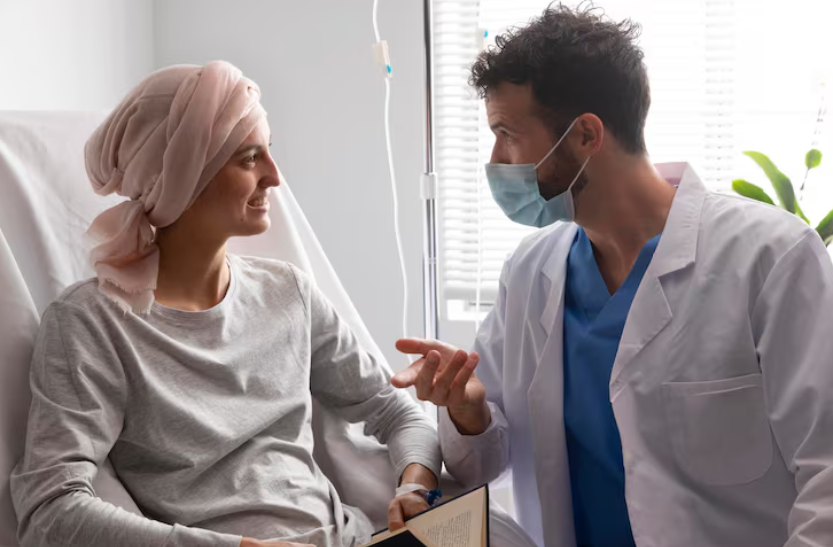
Cancer supportive treatments, also known as supportive or palliative care, provide the primary benefit of minimizing the physical and emotional side effects of conventional cancer therapies to dramatically improve a patient’s overall quality of life.
Rather than targeting the tumor itself, these treatments target the individual’s physical comfort, mental health, and functional well-being alongside standard treatments like chemotherapy or surgery.
Let’s say you’re a cancer patient dealing with physical, emotional, social, and mental challenges while undergoing chemo or other painful procedures. In that case, you’re advised to seek out cancer-supported treatments.
Not sure how it can benefit you? Fret not. Check out the four comprehensive benefits of incorporating supportive care into a cancer treatment plan.
1. Physical Symptom Management
Alleviates Adverse Side Effects – Cancer supported treatments directly reduce severe treatment-induced issues like nausea, vomiting, insomnia, and shortness of breath.
Controls Pain – Target medications, nerve blocks, and clinical therapies are given to minimize acute and chronic tumor-related pain.
Combats extreme fatigue – Implements structured exercise and physical therapy programs to restore strength, flexibility, and daily stamina.
Optimizes Nutritional Health – Connects cancer patients with specialised oncology dietitians who can not only manage their appetite loss, but also their alterations in taste, and weight maintenance.
2. Emotional and Psychological Well-Being
Reduces Psychological Distress – Cancer-supported treatments also involve guided counseling, aiming to help patients navigate intense emotions like depression, fear, and profound anxiety.
Fosters Community Connection – Offers professional and peer-led Stanford Medicine Support Groups designed to reduce social isolation.
Provides a Safe Space – For family caregivers, the emotional burden is so intensified. By offering clinical outlets for processing traumatic stress, they relieve their emotional strain.
3. Integrative and Holistic Care Options
Mitigates Toxicities Naturally – Embeds evidence-based clinical practices like acupuncture, which the National Cancer Institute (NCI) notes can dramatically reduce peripheral neuropathy and hot flashes.
Eases Chronic Stress – Uses mind-body modalities such as yoga, meditation, and mindfulness to calm the central nervous system during active medical cycles.
Enhances Agency – Empowers patients to feel actively involved in their recovery and daily health choices.
4. Improved Medical and Survival Outcomes
Boosts Treatment Adherence – Keeps patients physically stronger and mentally resilient, significantly reducing the likelihood that they will delay or skip scheduled chemotherapy or radiation doses.
Lowers Mortality Rates – Studies published in PubMed Central (PMC) show that early integrated supportive care is associated with improved overall survival and lower 30-day treatment mortality.
Decreases Healthcare Costs – Proactively controls symptoms to minimize unexpected, costly emergency room visits and prolonged hospital stays.
The Bottom Lines
Gone are the days when cancer (whatever its type is) wasn’t treated, and the patients had to suffer for years and wait for their end of life. But now, cancer is treatable in numerous ways.
With advances in cancer treatment, supportive care has now become an essential, foundational component of modern oncology.
By proactively managing physical side effects and addressing emotional distress, supportive treatments empower patients to better endure their primary medical regimens.
Ultimately, this comprehensive approach directly translates to a better quality of life and the ability to safely complete curative or life-prolonging therapies.