

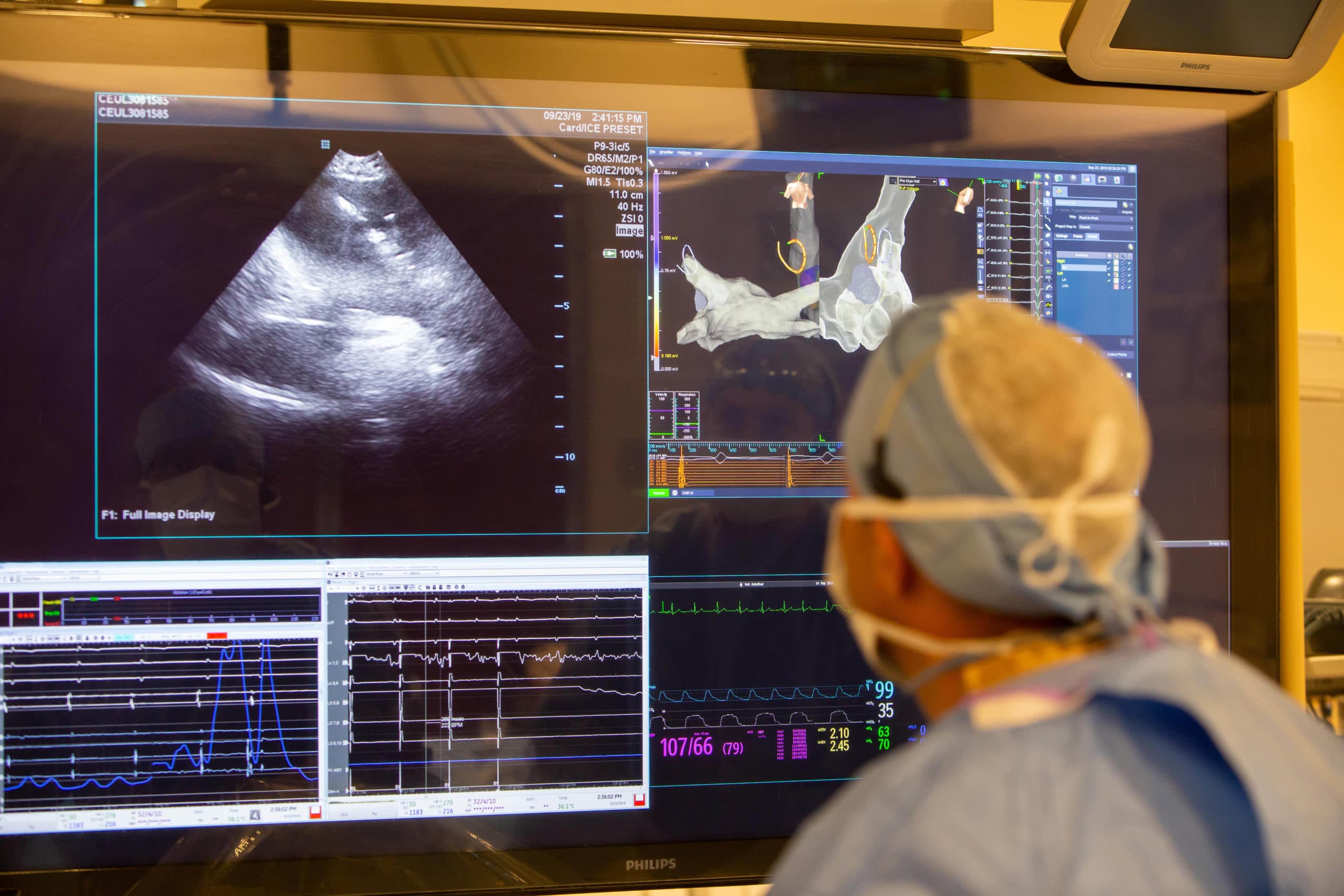
The term “structural heart disease” describes issues with the heart’s walls, chambers, or valves that impact blood flow. These disorders may arise later in life as a result of age, infections, or other medical diseases, or they may be present from birth. In the past, most instances of structural heart problems needed significant surgery, but thanks to improvements in medicine, there are now several successful treatment alternatives. Patients may make educated judgments about their heart health and recuperation by being aware of these therapies.
Comprehending Structural Heart Disease
Conditions affecting the physical components of the heart are included in structural heart disease. These might include broken valves, flaws in the heart’s walls, or irregularities in the heart’s chambers. Congenital cardiac abnormalities, mitral valve regurgitation, and aortic stenosis are common instances.
The heart may have to work harder than usual due to these problems, which might interfere with regular blood circulation. This additional stress might eventually cause symptoms like exhaustion, chest pain, light-headedness, or dyspnea. Because structural issues may progressively deteriorate if neglected, early identification is crucial.
To ascertain if structural heart disease is present, a physician, such as a cardiologist in Denver, may assess symptoms and carry out certain tests. Early diagnosis enables medical professionals to suggest the best course of action.
Diagnostic Instruments For Assessment
Physicians must thoroughly assess the anatomy and physiology of the heart before choosing a course of therapy. A number of sophisticated diagnostic instruments assist medical professionals in determining the extent and location of structural issues.
One of the most popular methods for seeing the heart’s chambers and valves is echocardiography. This imaging method, which is based on ultrasound, offers comprehensive details regarding the heart’s blood flow. Even more accurate pictures of the structure of the heart may be obtained using other imaging techniques, such as cardiac MRI and CT scans.
Additionally, cardiac catheterization may be performed to assess the blood arteries and evaluate the pressure within the heart. With the use of these diagnostic instruments, experts can establish a detailed picture of the illness and choose the most effective course of therapy.
Structural Heart Procedures With Minimal Invasion
In recent years, minimally invasive methods have completely changed how structural heart disease is treated. Instead of doing open heart surgery, these methods often employ tiny catheters implanted via blood arteries.
Transcatheter valve replacement is one such method. Using a catheter inserted via the arteries, this technique enables medical professionals to replace a broken valve. Recovery durations are often shorter, and dangers are decreased since the method avoids big surgical incisions.
Using specialist equipment to fix leaky heart valves is another less invasive alternative. Without needing extensive surgery, these therapies lessen symptoms and restore normal blood flow.
Patients who are elderly or have other medical issues that make regular surgery more difficult might benefit most from these treatments.
Surgical Management Of Complicated Situations
Surgical repair or replacement is still necessary for some structural heart issues, despite the growing prevalence of less invasive methods. If the injury is significant or affects more than one area of the heart, traditional surgery could be advised.
During surgery, medical professionals may fix structural flaws in the heart walls or replace damaged valves with artificial ones. When done appropriately, surgery may greatly enhance both quality of life and cardiac function.
Patients who are thinking about surgery often collaborate extensively with a group of experts. Before starting therapy, this cooperative approach guarantees that every facet of the patient’s condition is thoroughly assessed.
Long-Term Care And Recuperation
Surgery or other procedures are not the end of treatment for structural heart disease. Maintaining heart health and avoiding issues requires long-term treatment and follow-up consultations.
Following treatment, cardiac rehabilitation programs often assist patients in regaining strength and enhancing cardiovascular fitness. These programs involve lifestyle instruction, dietary counseling, and supervised exercise.
Frequent follow-up appointments enable physicians to track healing and make sure the heart is still operating normally. Many patients discover that receiving continuous treatment from a reputable cardiologist in Denver keeps them educated and self-assured about their heart health.
Considering The Future
The treatment of structural heart disease is becoming better because of medical advancements. Treatments are now safer and more successful than ever because of new imaging methods, cutting-edge equipment, and improved processes.
Knowing their alternatives for therapy might help people with structural heart disease feel less anxious and promote proactive care. Many people may effectively manage their disease and have active, healthy lives with the right diagnosis, professional advice, and contemporary treatment techniques.