

Sports injuries are frustrating because pain is only one part of the problem. An athlete may feel comfortable at rest but still struggle with running, jumping, lifting, turning, or repeated training. Recovery needs to consider what the body must eventually do again.
For someone exploring Sports Injury Rehabilitation Camrose, an assessment can identify movement limits, strength demands, and training loads connected with the injury. The aim is not simply to reduce symptoms, but to rebuild enough capacity for a confident return to activity.
Understand What Contributed to the Injury
Not every sports injury comes from one obvious event. Some problems develop gradually when training volume, intensity, recovery time, footwear, technique, or repeated movement changes faster than the body can tolerate.
Assessment can help separate contributing factors from assumptions. Previous injuries, workload, strength, mobility, and sport-specific demands may all be relevant when creating a rehabilitation plan and deciding what should progress first.
Strength Needs to Match the Sport
General strengthening is valuable, but later rehabilitation should become more specific. A runner, hockey player, recreational lifter, and court athlete place different demands on their muscles, joints, and connective tissues.
Exercises can become heavier, faster, or more complex as recovery allows. This progression helps bridge the gap between early rehabilitation and the forces the body will experience during practice, competition, or recreational activity.
Mobility Should Support Useful Movement
Limited mobility matters when it prevents someone from performing an important movement comfortably. However, more flexibility is not automatically better, and rehabilitation does not need to focus on stretching every area that feels tight.
The practical question is whether the athlete has enough movement for the task. Treatment can then address restrictions that affect function while improving strength and control within the ranges required for the sport.
Where Dry Needling May Fit
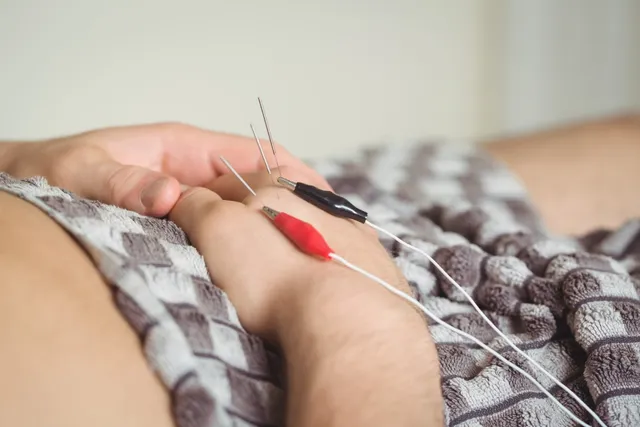
Muscle guarding or persistent tightness can sometimes make movement uncomfortable during rehabilitation. Dry needling is one technique a physiotherapist may consider when assessment identifies suitable muscular findings, and there are no reasons to avoid treatment.
People considering Dry Needling Camrose should see it as one possible part of a wider rehabilitation plan. Passive treatments may help symptoms for some people, but progressive movement and exercise remain important for rebuilding capacity.
Training Load Needs Careful Progression
One difficult question is how much activity to perform during recovery. Complete avoidance may settle irritation temporarily, but it can also leave an athlete less prepared for normal training demands.
Gradual loading provides a more structured approach. Distance, resistance, speed, repetitions, or training frequency can be increased in stages while monitoring how the body responds during activity and afterward.
Confidence Is Part of Returning to Sport
After an injury, movements that once felt automatic can become uncertain. Sprinting, landing, changing direction, lifting heavily, or making contact may create hesitation even when strength and mobility have improved.
Rehabilitation can rebuild confidence through controlled exposure. Starting with simpler versions of a task and progressing toward realistic sport situations allows the athlete to experience successful movement before returning to full demands.
Return-to-Sport Decisions Need Context
Time alone does not always show whether someone is ready to return. Two athletes with similar injuries may recover differently because of injury severity, training history, sport demands, and individual response to rehabilitation.
Functional testing can add useful information. Depending on the injury, this might include strength checks, balance tasks, running tolerance, hopping, change-of-direction drills, or sport-specific movements under increasing demand.
Do Not Ignore Recovery Between Sessions
Rehabilitation is affected by what happens outside the clinic or gym. Sleep, training schedules, work demands, stress, and the amount of rest between hard sessions can influence how well an athlete tolerates increasing activity.
This does not require a perfect routine. It means noticing patterns. If symptoms consistently rise after certain combinations of training and daily activity, the program may need temporary adjustment before progression continues.
Injury Prevention Has Limits
No program can guarantee that another sports injury will never happen. Sport includes physical risk, especially when high speeds, heavy loads, fatigue, unpredictable movement, or contact are involved.
A more realistic goal is better preparation. Strength, movement control, sensible workload progression, and sport-specific practice can help the athlete return with greater capacity for expected demands.
Conclusion
Good sports rehabilitation is not simply a race to make pain disappear. It is a process of restoring movement, strength, tolerance, confidence, and sport-specific capacity according to the individual’s needs and goals.
The plan should change as recovery progresses. Early symptom management can lead into strengthening, higher-load exercise, and realistic sport tasks. A staged approach keeps attention on meaningful function instead of ending rehabilitation as soon as everyday discomfort improves.